
What the Table can Teach Us About Place
10/29/26 · Marshall V. King“A forkful can carry so much history, culture, and tradition, as well as new flavors.”
The second day of the first food trip I ever led taught me about the power of the table and the surprises it can bring.
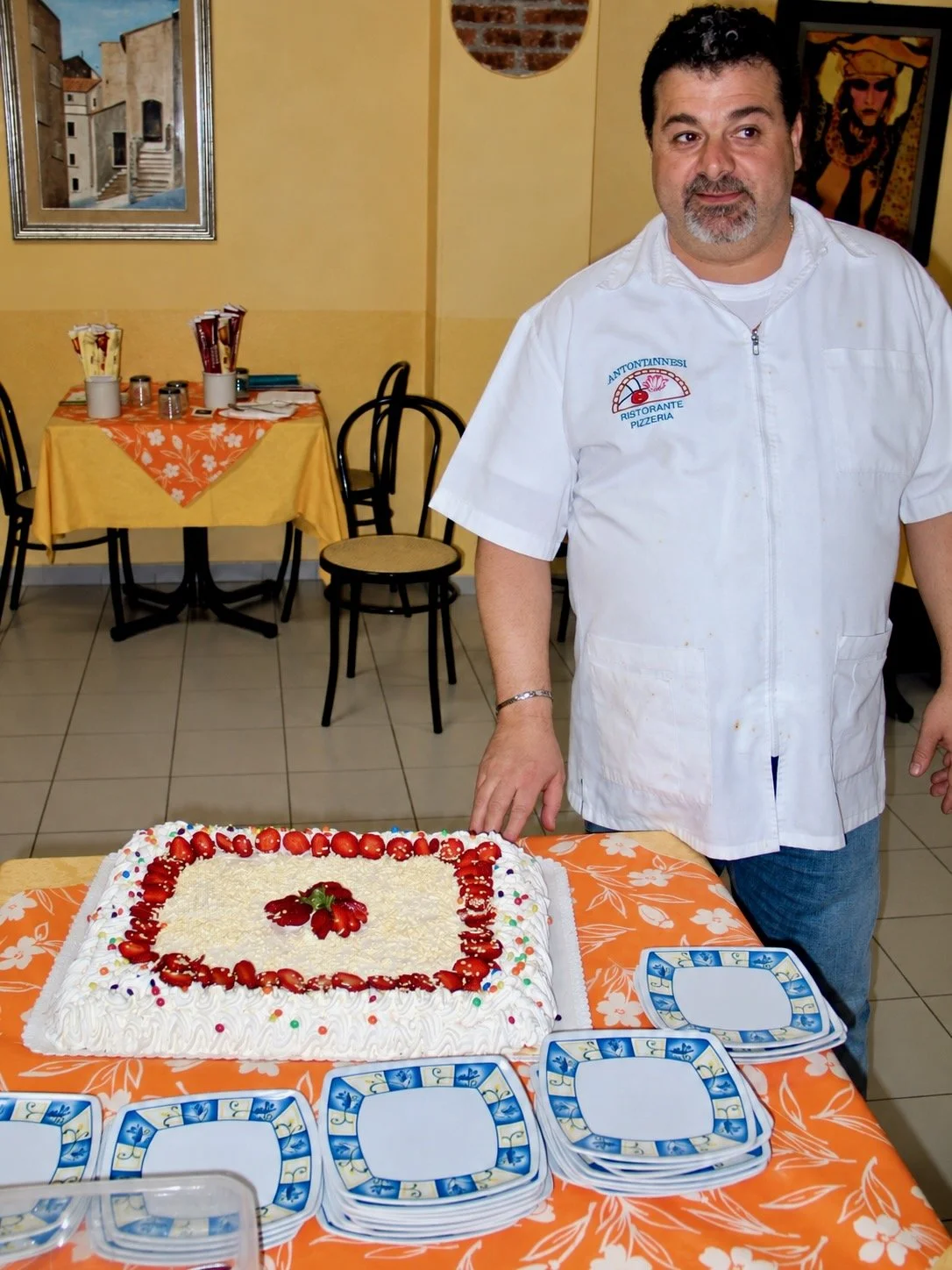
A group of 37 people sat together around tables in a restaurant at the base of the Italian Alps in northern Italy. The visit to Antoniminesi, a Calabrese restaurant and pizzeria, hadn’t been on the itinerary. But Bruno Cataldo, one of the Italian-American restaurant owners on the trip, arranged an impromptu stop at his friends’ restaurant that served southern Italian food.
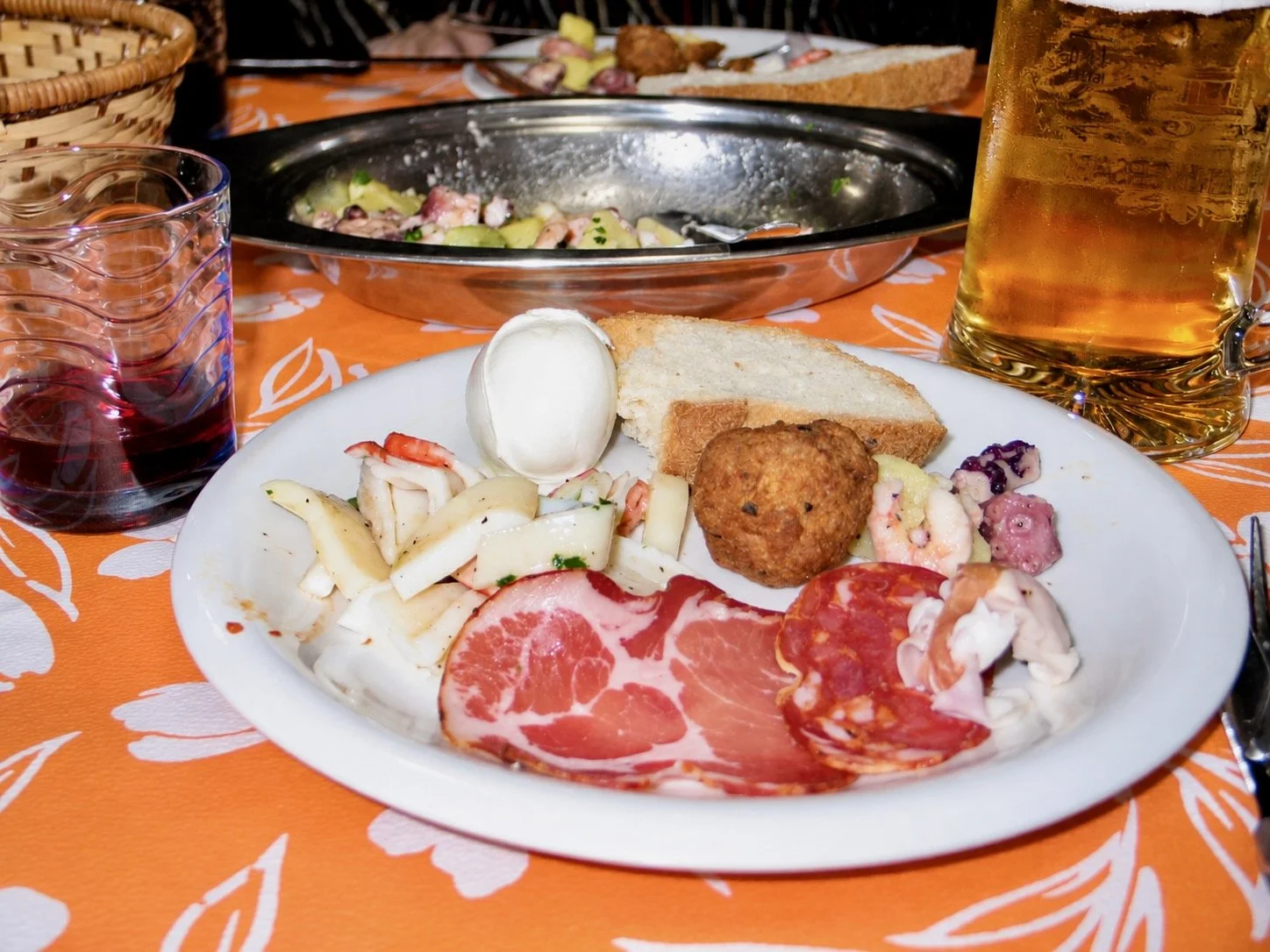
Giuseppe and Christina Nevolo and their staff brought us bread, seafood salads, and cured meats to start. Then came courses, including a Calabrian style of hand-rolled pasta made with tomato sauce and buffalo mozzarella made near Naples. The main course was young lamb with rosemary, served with potatoes. We raised glasses of wine, and Bruno’s brother Paul, also a restaurant owner from northern Indiana, made a toast, “This is the way Italians eat.”
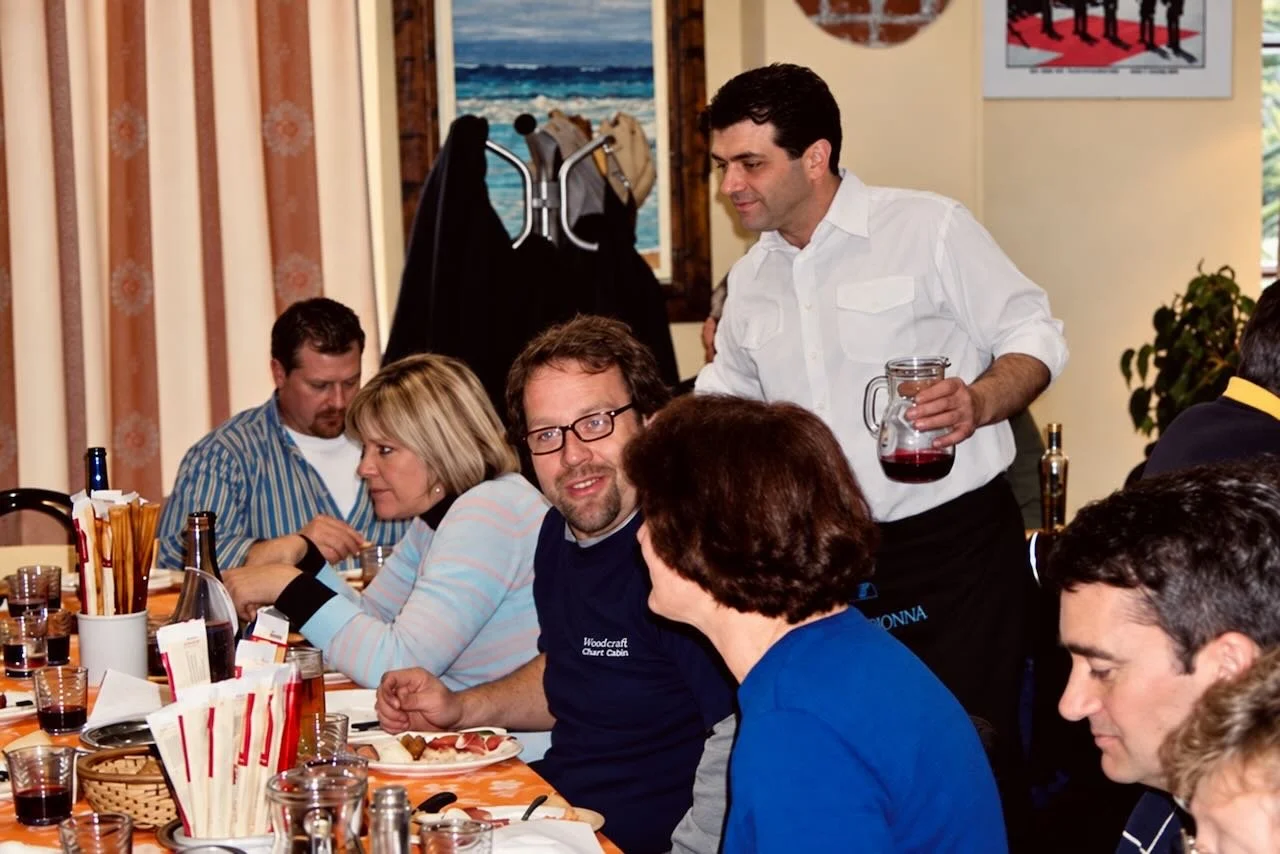
Surrounded by generous hospitality, the Americans shared stories of memorable meals and past adventures while creating a new memory together. An older Italian man began playing his organetto, a small accordion. Drawing the instrument back and forth between his hands, the group clapped along. The hosts started dancing and group members joined in. Another man showed up with a tambourine and the scene grew more festive. Laughing, young and old turned and stepped. They lived for a day in a place they didn’t know existed, hosted by people they had just met who treated them like family.
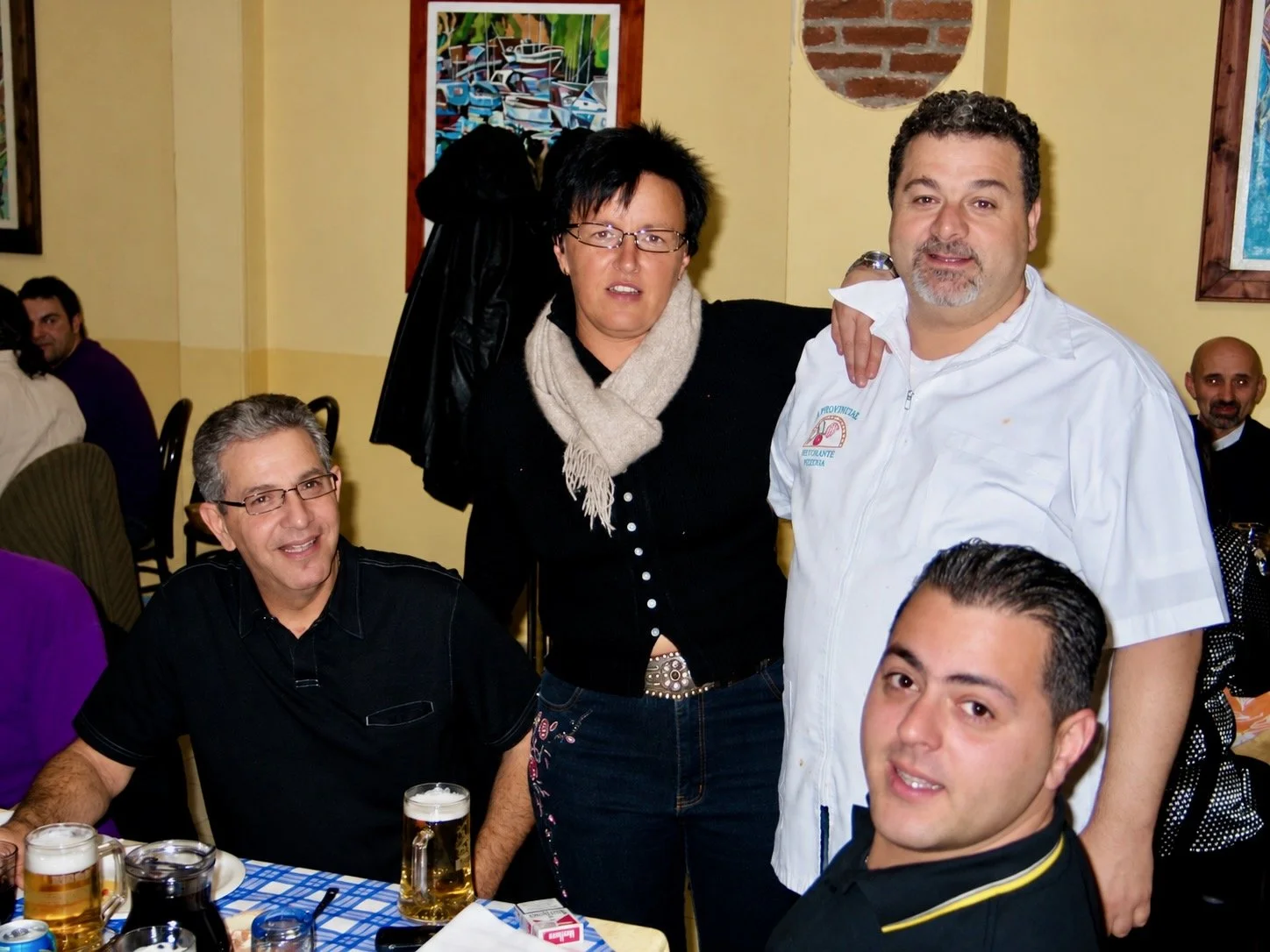
That experience of sharing a rustic and lavish meal together bonded that group and the memories remain, not just of the flavors, but of the surprise of the table and how it shapes us.
I’ve told the story of that meal countless times. I was only there for an afternoon and couldn’t tell you a lot about that place, but I can tell you about a magical afternoon in Biella. I can tell you about how these people cooked regional food that both comforted those from the same region and delighted those who weren’t. I can tell you how we marveled at Bruno’s southern Italian connections to the restaurant owners, the young man playing the tambourine, and even the train stationmaster in this northern Italian town. That afternoon taught me about human connection and how it can form.
The magic happened because we had left our homes and ventured to another place. From there, we were shown somewhere new by someone who knew the way, who knew people who could set the table for us. Bruno became tour guide, interpreter, and host.
At that table, we learned how to say “Grazie” when the platters of food arrived. We learned to communicate with kindness and smiles when we couldn’t use the local language. Those opportunities present themselves when we travel. One should be careful about the limits of what a short visit to a place can yield in terms of understanding, but any visit can add to what we know.
In late 2024, food influencer Brian Lee claimed in the New York Times that food tourism as we’ve known it is dead and there’s less need for people to visit places to experience the traditional table. He states, “The obscure treasures in back alleys are now bookmarked on TikTok, with Uber dropping tourists at their doorstep.” His point was that new intersections of flavors are developing. Lee writes, “With global foods more accessible than ever, the real cutting edge of culinary exploration lies not in destination traveling, but in the next wave of ‘third culture’ cuisines at the intersections of tradition, immigration and diaspora.”
Those intersections are worth exploring but having a basic understanding of the longer history of a place and how food shaped it still has value. Lee’s framing falls apart when we belly up to a table in a new place, whether it was an obscure treasure or a place where the locals gather. Watching Anthony Bourdain or Phil Rosenthal on television can help us understand more, but it is not the same as sitting at the table in a place that is new with unfamiliar languages being spoken around us. Writer Adriana Trigiani once told me, “When you're sitting down, you're all at the same height.”
Sitting eye to eye with others helps us engage a place by lifting a fork. A forkful can carry so much history, culture, and tradition, as well as new flavors. That offers an opportunity to ask a server what the most popular dish is at a restaurant or a farmer how they make a living raising what you’re eating. Traveling to a place allows you to ask another human these questions in ways you can’t when watching even the best travelogue on a screen. One is entertainment. The other becomes our own experience and helps us better understand others in the world we share.
Asking questions and listening to how others live. That feeds our souls the way food feeds our bodies. When a new flavor lands on our tongue as we take in a new vista, our senses jangle and we are more alive.
About Marshall
For more than 30 years, Marshall has made his living with words, telling stories that connect people to each other and to the places they call home. Much of that work has centered on the Midwest: its food, its people, its communities.
His food writing started in 2000, when an editor handed him an assignment to launch a restaurant column. That column, Dining A La King, ran in The Elkhart Truth for nearly two decades and later in other community newspapers. All told, he spent twenty years at The Truth as a reporter, columnist, and editor. When the paper was sold in 2016, he went freelance and kept writing.